
The Knowledge of Colours in Interior Design Two
Post Date :
Feb 17, 2025
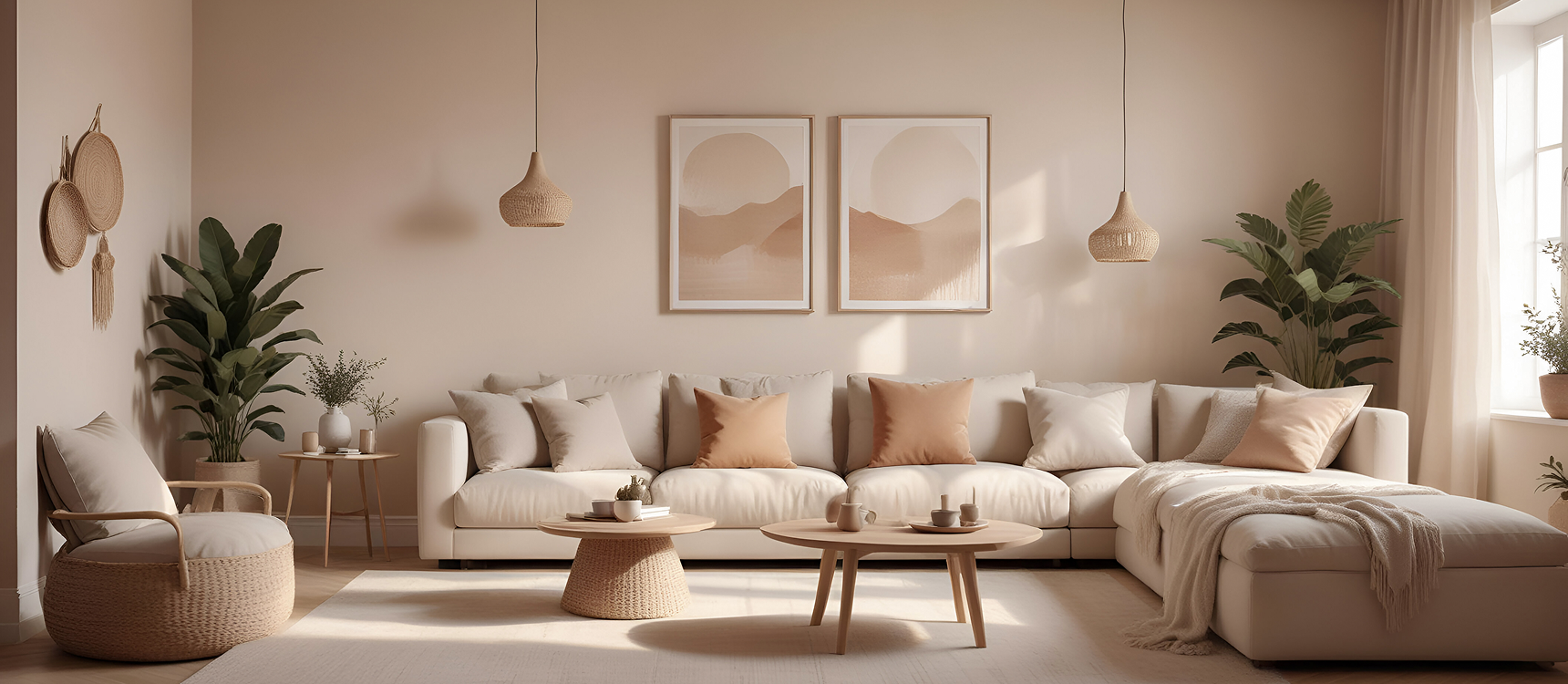
Table of contents
- The Psychology of Colours
- How Lighting Changes Colour
- Creating Balanced Colour Combinations
- Choosing Colours That Last
Colours are more than decorative choices in interior design—they influence how a space feels, functions, and ages over time. The right palette can make a compact apartment feel spacious, a large room feel intimate, or a home feel cohesive from entry to bedroom
Colours are more than decorative choices in interior design—they influence how a space feels, functions, and ages over time. The right palette can make a compact apartment feel spacious, a large room feel intimate, or a home feel cohesive from entry to bedroom.
Yet many homeowners select colours based purely on trend. While trends may look appealing in the moment, they don't always consider lighting conditions, material finishes, or long-term adaptability. That’s where a thoughtful, material-first approach becomes essential
The Psychology of Colours
Colours directly affect how we feel inside a space. Warm tones like beige, terracotta, and muted browns create comfort and grounding. Cooler tones such as sage, grey, and soft blues bring calmness and clarity.
Neutral palettes remain timeless because they provide flexibility. They allow materials—wood grains, stone textures, fabrics—to take visual priority without overwhelming the space.
In full-home interiors, colour consistency across rooms helps maintain visual harmony. Instead of drastic shifts between spaces, subtle transitions create flow and sophistication.
How Lighting Changes Colour
Natural and artificial lighting significantly alter how colours appear.
North-facing rooms require warmer shades.
South-facing rooms allow cooler tones.
Creating Balanced Colour Combinations
Interior design usually follows the 60-30-10 rule.
- 60% dominant colour
- 30% secondary tone
- 10% accent colour
Choosing Colours That Last
Timeless interiors focus on balanced neutrals.
Natural textures and layered accents help maintain longevity.

Designing and building custom interiors with complete transparency-from materials and manufacturing to execution and delivery.
Our Newsletter
Design insights and real project stories.Contact Us
Address :